Ask anyone who’s spent a week in Tulum about taxis, and you’ll get a story. A five-minute ride that cost more than dinner. A driver who wouldn’t quote a price until you were already in the car. A flat refusal to run the meter — because there isn’t one. It’s such a common complaint that surveys of visitors have named taxis, not crime or weather, as the single biggest threat to Tulum’s reputation as a destination.
We don’t love writing that sentence about a town we’ve called home since 2018. But guests ask us about this constantly, so here’s the real picture: how the problem got this bad, what’s actually changing, and what we tell people to do about it right now.
How it got this bad
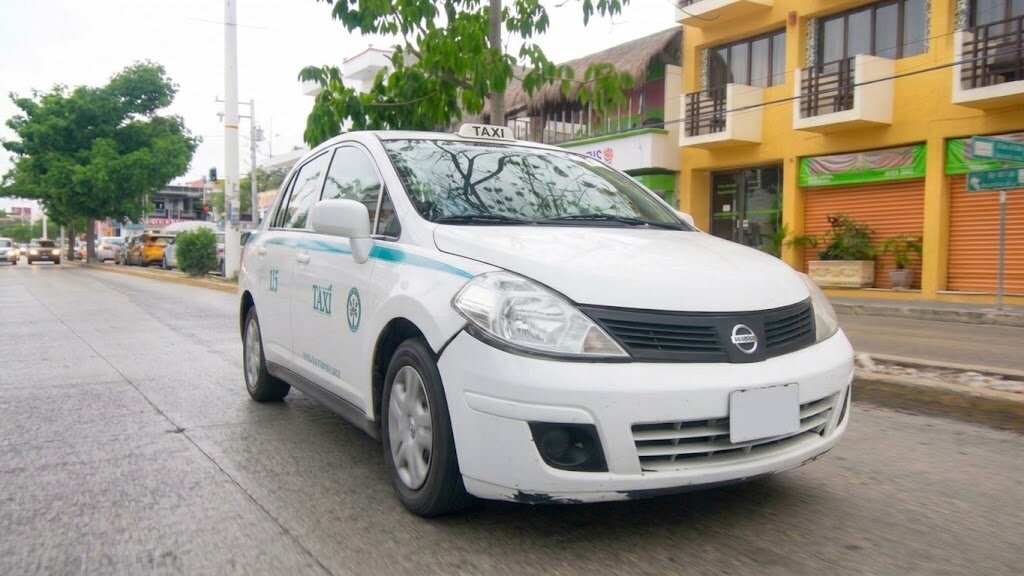
Tulum’s taxis don’t run on meters. They run on a fixed, zone-based fare system that, in theory, is supposed to protect riders from arbitrary pricing. In practice, with no meter and no printed rate card most tourists ever see, “fixed” has often meant “whatever the driver decides you’ll pay” — especially for anyone who doesn’t speak Spanish, doesn’t know the going rate, or is arriving late at night with luggage and no other option.
During Tulum’s building boom in the early 2020s, as the town’s profile (and prices) exploded, the gap between what a ride should cost and what visitors were actually charged widened into something closer to a running joke — except it wasn’t funny if you were the one paying $20 USD for a ride that should have cost a fifth of that. The local taxi union, one of the most powerful transport organizations in the state, has for years been accused of more than just steep pricing: intimidation of drivers who work outside the union, and blocking ride-hailing competitors from operating in town at all. That union is currently under investigation by the state attorney general’s office.
None of that reflects the town most of us actually live in day to day. But it’s the reason “Tulum taxi” shows up in search results next to words like “scam” and “mafia,” and it’s real enough that we’d rather address it directly than pretend guests haven’t heard about it.
Why Uber isn’t the answer (yet) — and inDrive is
Quintana Roo’s state legislature actually settled the legal question back in 2023: ride-hailing apps are legally permitted to operate anywhere in the state, Tulum included. But a law on the books and a driver willing to actually pick you up in town are two different things. Uber and DiDi remain effectively locked out of central Tulum and the airport — the legal path is open, the street-level resistance isn’t.
inDrive is the exception. It’s gained real traction here, largely because of how it works: instead of the app setting a fixed algorithmic price, you propose what you’re willing to pay for the ride, and nearby drivers accept, counter, or ignore your offer. That structure has let it route around some of the friction that’s kept Uber sidelined — you’re negotiating with an individual driver through your phone, not routing money through a centralized platform the union sees as a direct threat.
If you’re downloading it for the first time: enter your pickup and destination, submit a fare offer (during busy periods you may need to bump it up a bit to get a driver to bite), and check the driver’s plate, photo, and rating before you get in — same as you would with any ride-hail app anywhere. Plan on paying in cash; the app’s cashless option is tied to a Mexican banking rail most visitors won’t have access to.
Get it before you land, so it’s ready the moment you touch down: iPhone / App Store · Android / Google Play
What the municipality is actually doing about it
This isn’t a case of local government ignoring the problem — there’s real movement, even if it’s slower than anyone would like.
- Stricter penalties, 2025: the state can now cancel a taxi driver’s license and concession outright for assault or intimidation — including intimidation aimed at rival drivers, not just riders.
- New mobility agents: Quintana Roo is phasing out its old Transit Officer system — long associated with roadside “negotiations” — for trained Mobility Agents who issue sanctions without on-the-spot bargaining.
- February 2026 upgrades: the current mobility plan calls for security cameras and digital payment options inside Tulum taxis, translation tools for non-Spanish-speaking riders, better-organized taxi stands, and newer vehicles.
- The taximeter, still stalled: a metered-fare pilot has been on the table since 2023. It hasn’t happened yet — worth knowing if you read an older article promising meters were imminent.
- July 2026 update: taxi fares are also named in Plan Tulum Renace, the federal tourism plan announced that month — but the announcement itself is thin on specifics. No mechanism (meters vs. rate cards), no enforcement agency, and no timeline have been published yet. We’ll update this section once there’s something concrete to report, not just a mention.
The direction is real. The pace is Tulum pace.
What we actually tell guests
Until fares are metered and Uber/DiDi are running freely, here’s what works today:
- Book an airport transfer through us. Luli and Gaby arrange this for every guest — your driver is waiting when you land, the price is set in advance, no negotiating required. It’s still the least stressful option, especially for a first visit.
- Use inDrive for getting around town. It’s the one ride-hailing option that reliably works in Tulum right now — see above. Download it before your trip: App Store · Google Play
- Be a little thoughtful about where you meet your inDrive driver. Drivers generally prefer not to collect passengers right where taxis are waiting — outside a busy hotel entrance, or at a taxi rank. It needn’t be cloak-and-dagger: walk half a block, wait somewhere ordinary, and greet your driver the way you would a friend picking you up. The friction between the union and app drivers is real and occasionally gets ugly, and the person most exposed to it is your driver, not you.
- If you do flag a street taxi, agree on the price before you get in. Every time, no exceptions. If you’re not sure what’s fair for your route, ask Luli and Gaby — they’ll tell you.
- Consider a rental car or a bike for anything you’ll be doing repeatedly. Neither one depends on any of this.
More detail on all of these, including bikes, scooters, and the colectivo, is on our Getting There & Away page.
Check availability and book direct — direct bookings skip Airbnb’s 16% guest service fee.
FAQ
Is Uber available in Tulum?
Legally, yes — Quintana Roo's mobility law has allowed ride-hailing apps statewide since 2023. In practice, Uber and DiDi remain largely locked out of central Tulum and the airport due to resistance from the local taxi union. inDrive is currently the ride-hailing app that actually works there.
Why are taxis so expensive in Tulum?
Tulum taxis run on fixed, zone-based fares with no meters, which has made pricing inconsistent and, for many tourists, inflated well above what the ride should cost. It's a widely reported problem — surveys of visitors have ranked it as the top reputational threat to tourism in the town.
Is inDrive safe to use in Tulum?
Generally yes. Check the driver's photo, plate, and rating before getting in, same as any ride-hail app. You propose the fare yourself, which helps avoid the price surprises common with street taxis. Plan to pay in cash. Worth knowing: disputes between taxi unions and app drivers in Quintana Roo have occasionally turned violent, which is why drivers often prefer a pickup spot away from where taxis gather. In January 2025 the state raised penalties for injuries committed in the course of transport service — by half generally, and by two-thirds where the victim is a tourist or a minor.
Where do I download inDrive?
It's free on both the App Store for iPhone and Google Play for Android. Worth downloading before you land so it's ready to go the moment you arrive.
Is the Tulum taxi union being investigated?
Yes. The union has faced allegations of intimidation and blocking ride-hailing competitors, and is currently under investigation by the state attorney general's office (Fiscalía General del Estado).
Is the Tulum government doing anything about taxi prices?
Yes, though progress is gradual. As of 2026, the state has passed stricter penalties for driver intimidation, is rolling out security cameras and digital payment options in Tulum taxis, and is replacing old-style Transit Officers with trained Mobility Agents. A proposed taximeter system has been delayed since 2023 and is still not implemented.
What's the safest way to get from the airport to Aldea Zama?
A private transfer arranged in advance — Luli and Gaby set this up for every guest, with your driver waiting at arrivals and the price agreed before you land. It removes the negotiating entirely.